
I buy the devices I test unless the article says otherwise. Some links and discount codes on this site are paid links: if you buy through one, I earn a commission. It never changes a score or a verdict.
Results is the heaviest criterion on my grid, and the one where most LED masks score lowest. I look at two things: the results on my skin after testing the LED mask for several weeks, and the results shared by the brand. Few brands conduct studies on their own model, and even fewer use instrumental measurements…
This page explains in detail how I evaluate the results in my LED mask tests, the importance of instrumental measurements, how I evaluate the before/after results of a brand, with 4 examples of LED masks.
Results: one of the 7 criteria
Every LED mask review on this site runs on the same 7 criteria, and several of you asked me to explain deeper what each one really measures. So each criterion now has its own page, and this one is about results, the criterion that weighs the most. Here are the 7, in the order of my grid from my How I test page :
- Results, 24% of the score, this page
- Irradiance, 16% of the score
- Coverage, 14% of the score
- Proof, 14% of the score
- Comfort, 12% of the score
- Value, 12% of the score
- Safety & support, 8% of the score
What counts as a result for a LED mask
During my test of an LED mask, I take a picture of my skin at the beginning, then at the end. This allows me to have my own before/after comparison and assess the mask’s effectiveness on my skin: complexion, redness, texture, enlarged pores on the bridge of my nose, and fine lines around my eyes.
But these are my own results, and even if my photos are well-taken, they are still limited to my own skin. Therefore, I also check if the LED mask tested has been the subject of a study, and what the results are. Results obtained with instruments are much more valuable than self-assessment questionnaires, which are often biased.
I see other arguments put forward by the brands, but I don’t take them into account. For example, before/after photos from one brand without dates or the number of sessions, or very poorly done photos, as well as results from a study on another LED mask…
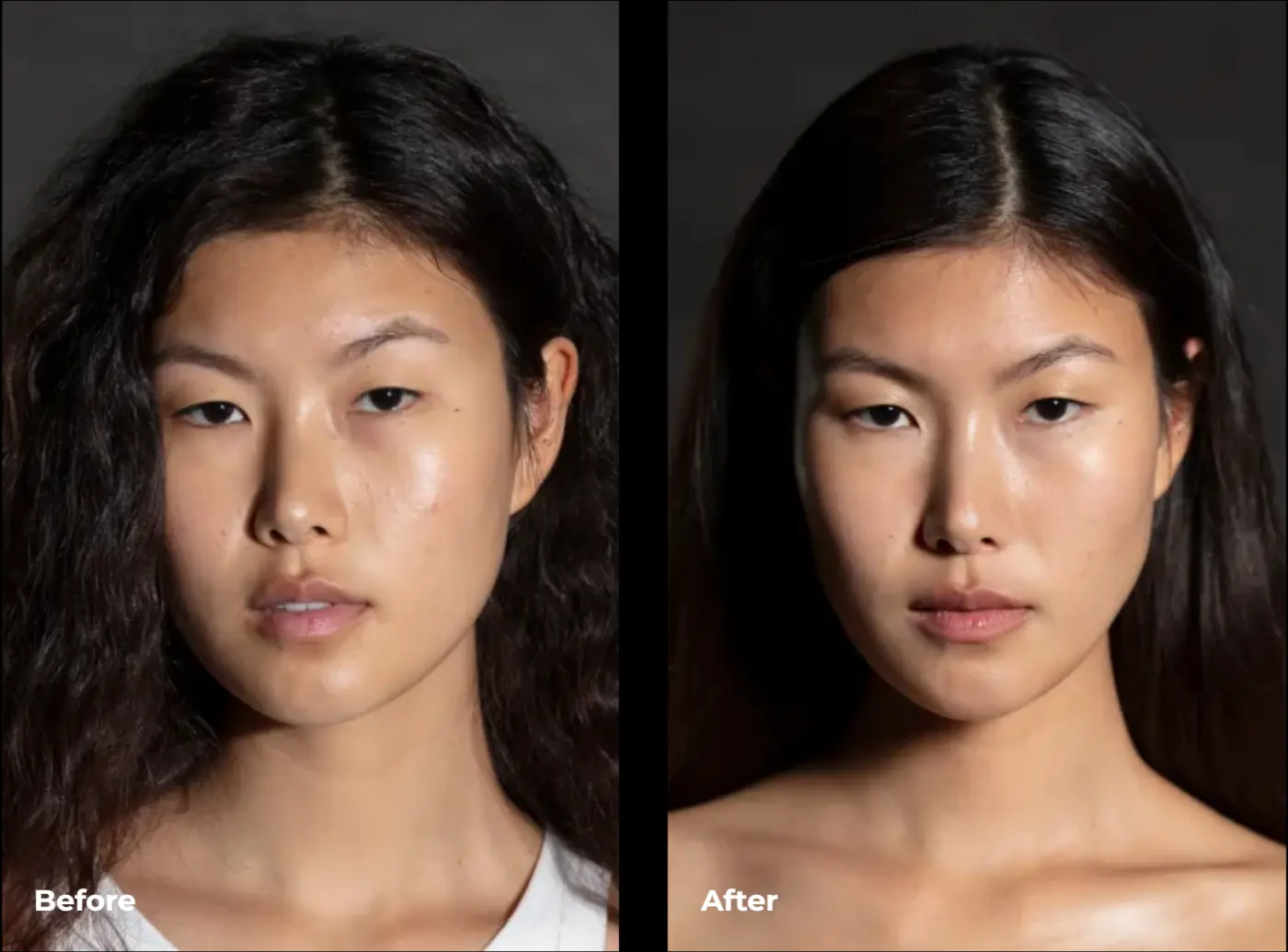
How I do my before/after photos
I use the same camera, at the same distance, on my skin in the morning with the same lighting. It’s simple, yet few brands follow this protocol… I don’t have any wrinkles to treat yet because my skin is very well cared for, so I focus mainly on my complexion and skin texture.
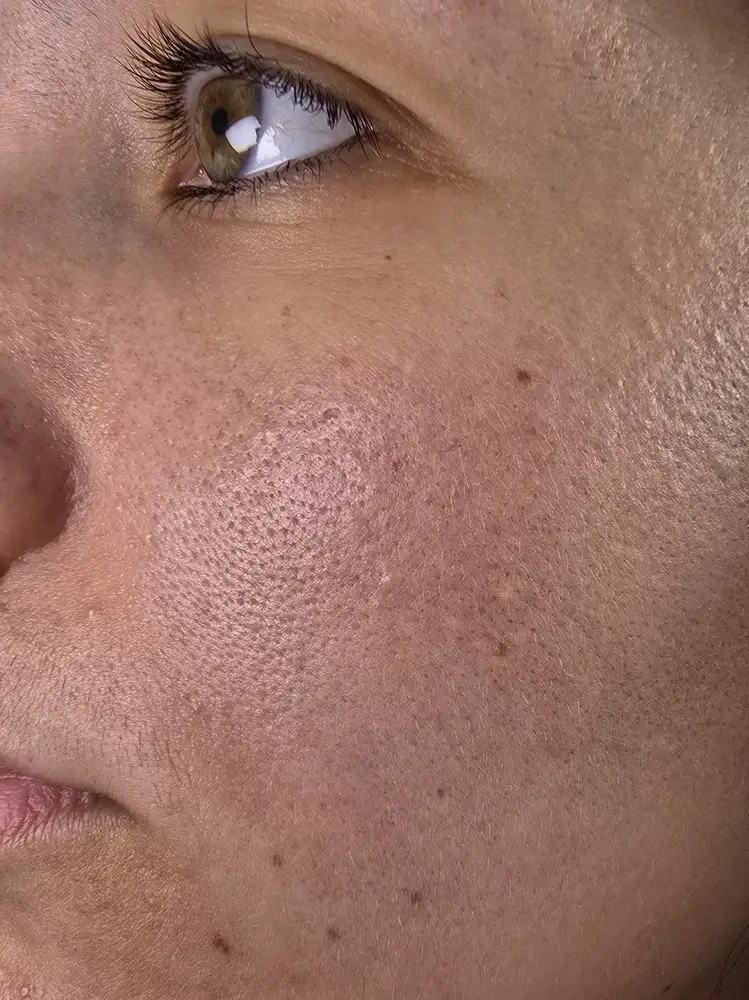
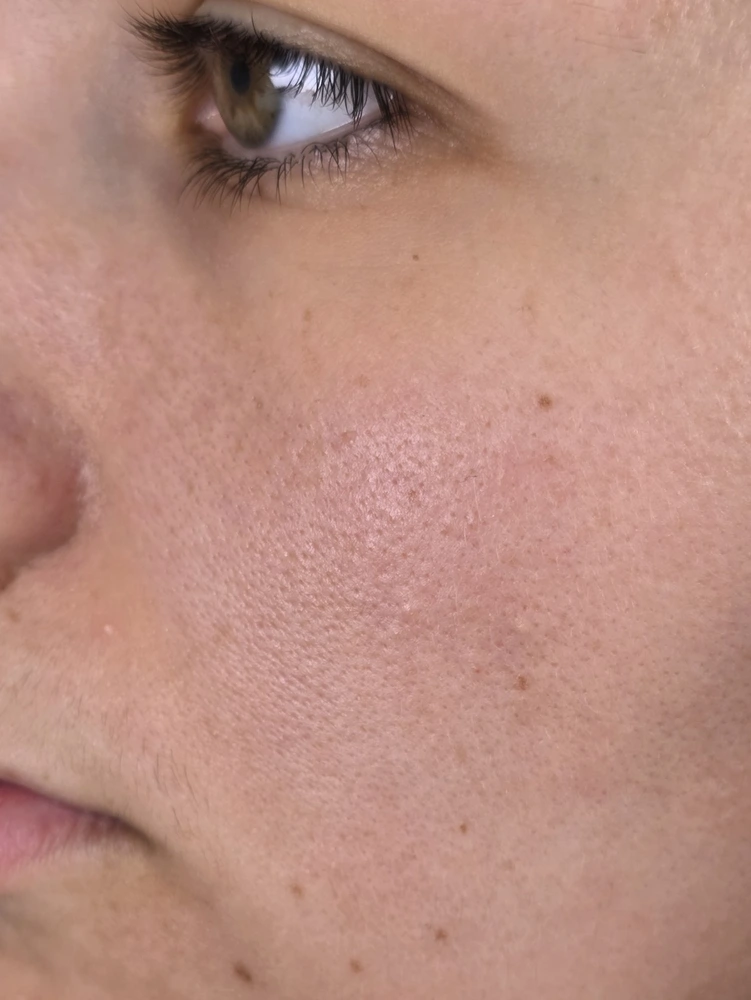
Otherwise, when I’m not testing a specific LED mask, I use the densest LED mask I currently own. This means that most of the masks I’ve tested no longer show any improvement because my skin is already well-nourished.
But precisely, if my skin becomes less radiant during a test, it’s usually because the benefits of the previous mask have diminished due to a less powerful LED mask.
The importance of studies to evaluate results
A photograph reveals skin tone and texture, but it cannot show firmness, density, or the depth of wrinkles, and this is precisely what instrumental analysis can measure.
- A cutometer suctions the skin and measures its rate of return to its original shape, which corresponds to its elasticity.
- An ultrasound probe measures the density of the dermis.
- VISIA photography and profilometry assess the depth of crow’s feet and nasolabial folds…
Many instruments exist today for measuring skin quality, and I take this into account when evaluating the results of an LED mask. Unfortunately, few brands have this type of measurement data to share for their products.
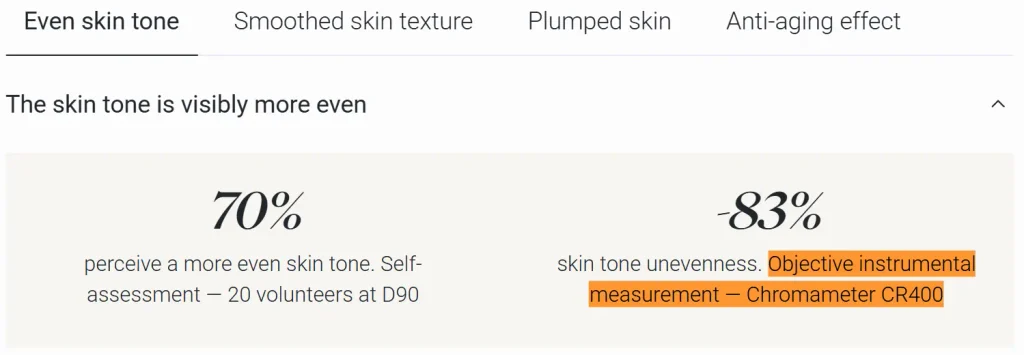
An LED mask therefore provides modest, gradual, but non-invasive results with a more natural appearance. The time frame is also longer than advertised.
The controlled trial I use as a dosage reference included 30 sessions before collagen levels were measured; Nooance studies last 90 days, CurrentBody 56… Therefore, a page promising firmer skin in 7 days is not credible in my opinion.
How I read a brand’s before and after
A before and after that means something is macro, dated and instrumented: a close photograph of the same zone on day 0 and day 90, with a measurement next to it, ideally from a named lab. Nooance publishes exactly that.
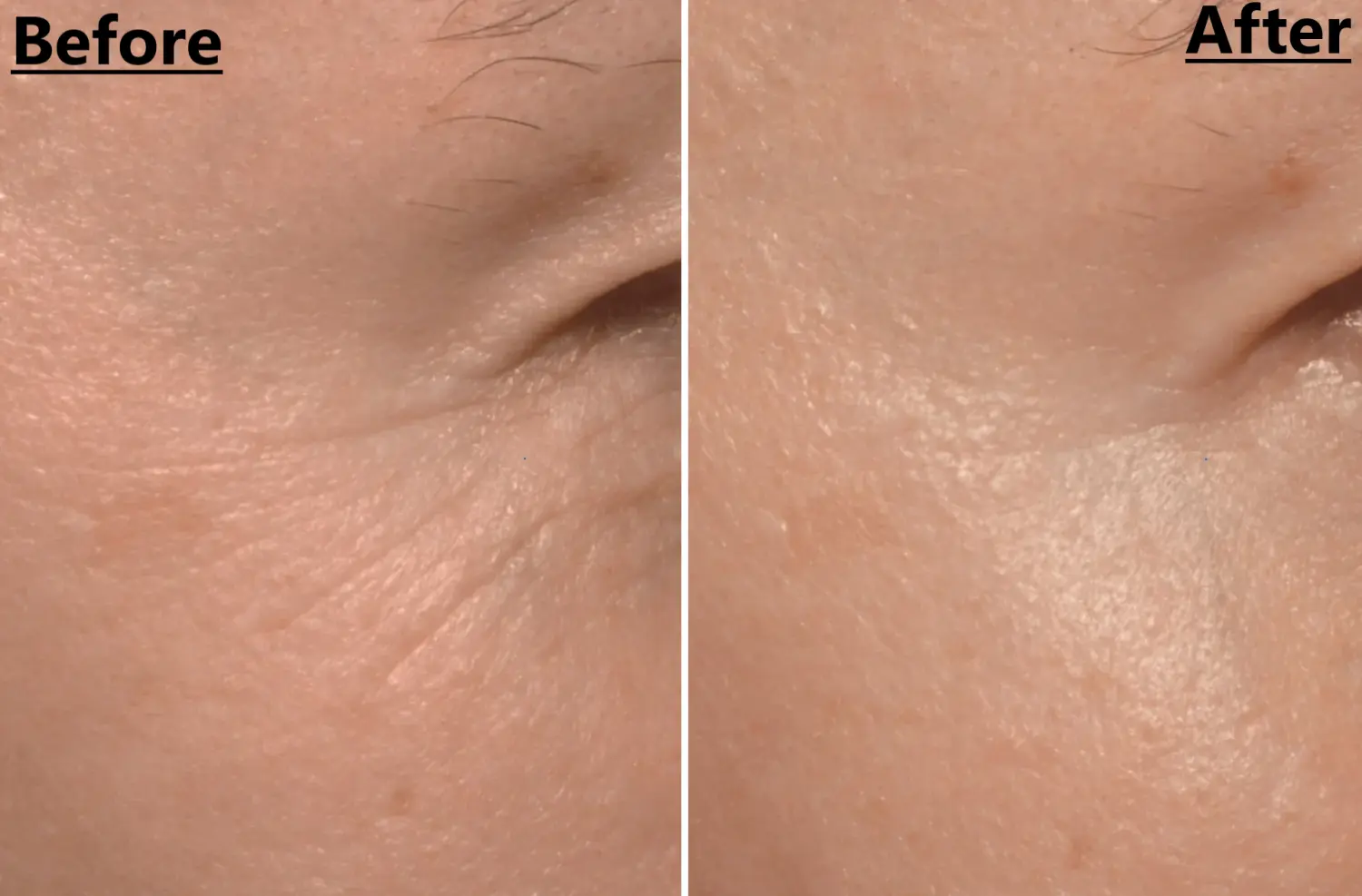
Unfortunately, most LED mask brands aren’t as diligent: no number of sessions, no dates, no lab references, no measurements… Sometimes, the two halves of the image don’t even correspond to the same area of the face, sometimes the photo was taken from so far away that no texture is visible, and sometimes the figures next to the image refer to a different device or a study that included a serum…
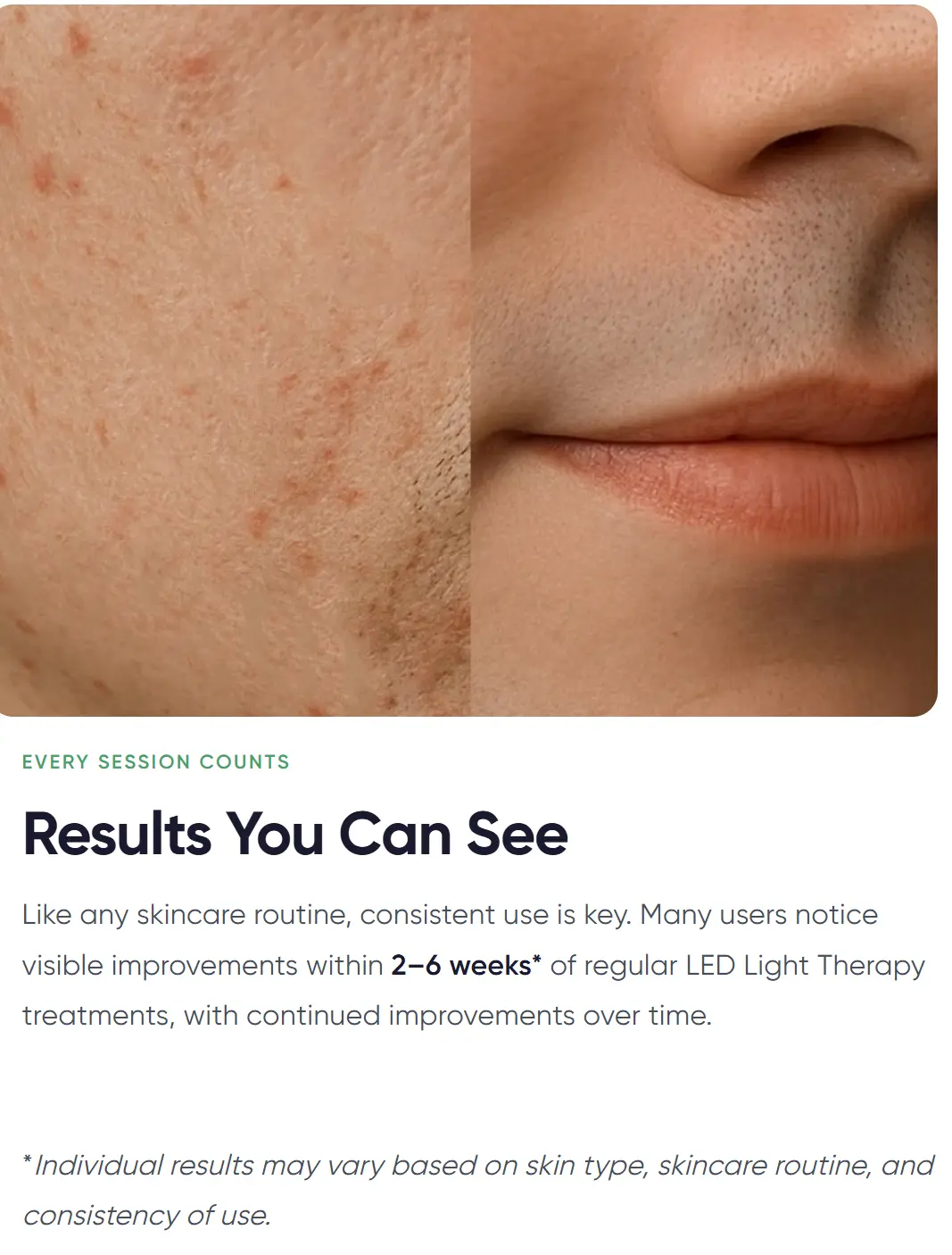
4 LED masks I tested, 4 results
Best: Nooance Elite X600, the one change I can photograph
When I received it, I immediately started a 12-week testing protocol, with three sessions per week, as it has an irradiance of 50 mW/cm². At the end of the test, my complexion was more even, the redness on my nose had diminished, and my pores were tightened, as I showed you in the before/after photos above.
It’s not a striking transformation, but that’s normal for my skin. Based on this Results criterion, the Nooance Elite X600 is the best I tested, and it’s also a very good LED mask in other respects. You can read the details of my review of the Nooance LED mask here.
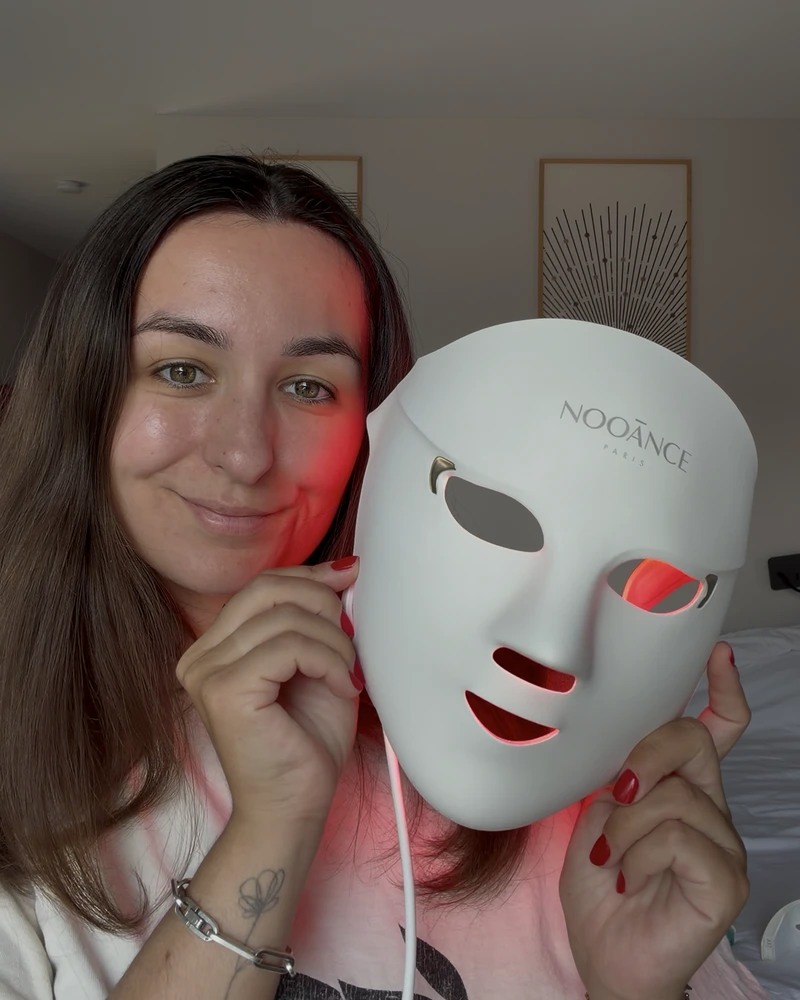
Okay: CurrentBody Series 2, evidence around it
I used it for about 50 sessions over 12 weeks at 30 mW/cm², but I saw no improvement in my skin. However, Currentbody is a reputable brand when it comes to studies, such as the Cutometer study by a recognized laboratory. It’s not an LED mask I would recommend for its price, but you can find my review of the CurrentBody Series 2 which details my test.
Mid: Omnilux Contour Face
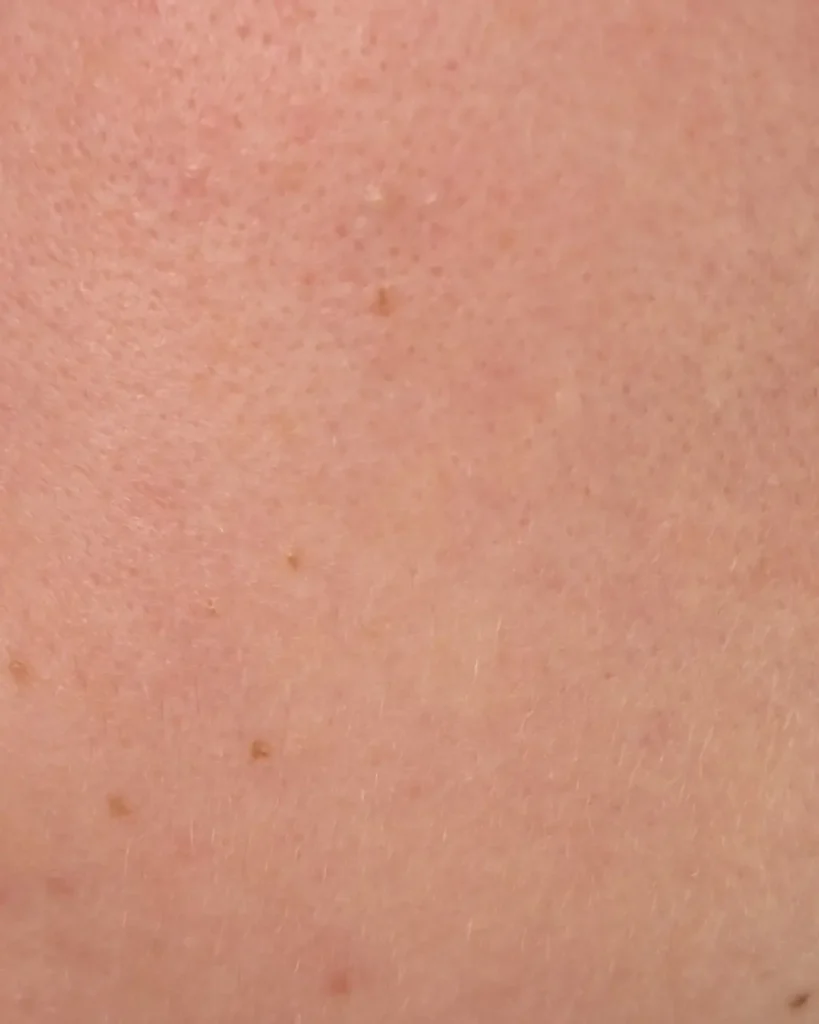
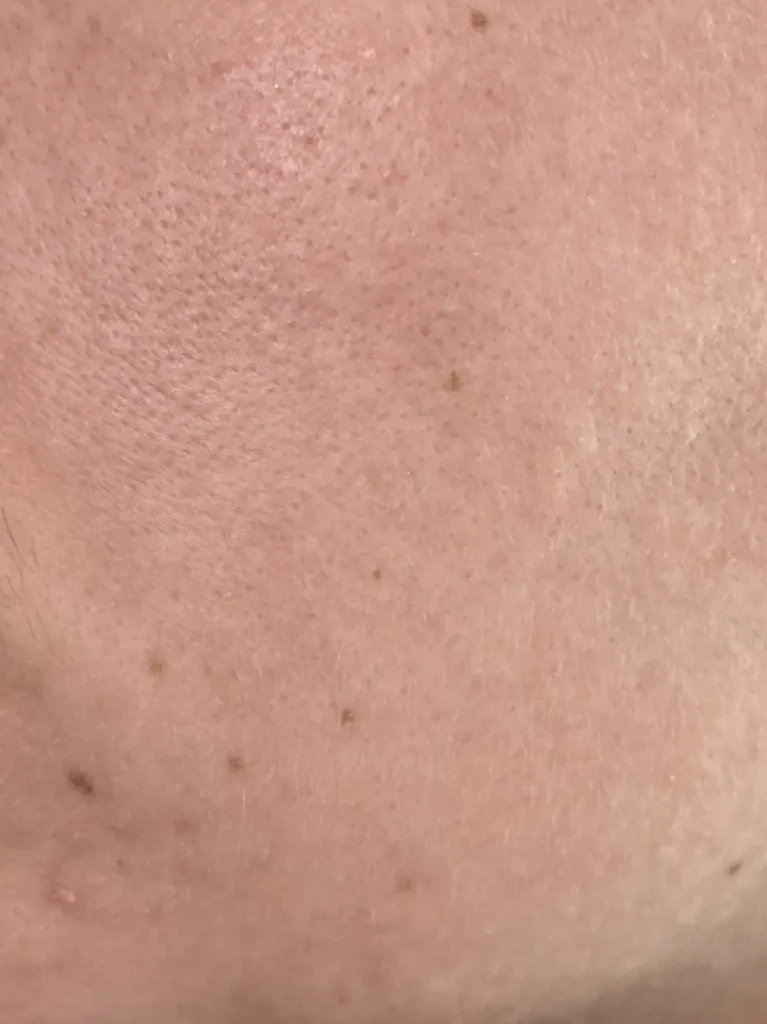
I tested it for 8 weeks with 5 sessions per week, since it has an irradiance of 30 mW/cm². But my complexion became duller and the pores on my right cheek were more dilated. And that’s to be expected given the other features of the Omnilux mask… This effect on my skin is due to the loss of the beneficial effect of my usual mask.
Furthermore, the Omnilux study is poorly conducted because it evaluates the LED mask used in conjunction with a hydrogel mask… So its results are mainly attributable to the immediate benefits of the hydrogel mask. Overall, I gave it a 2.5/5 rating, and you can find my full review on my Omnilux Contour Face Mask review page.
Worst: FOREO FAQ Swiss 202
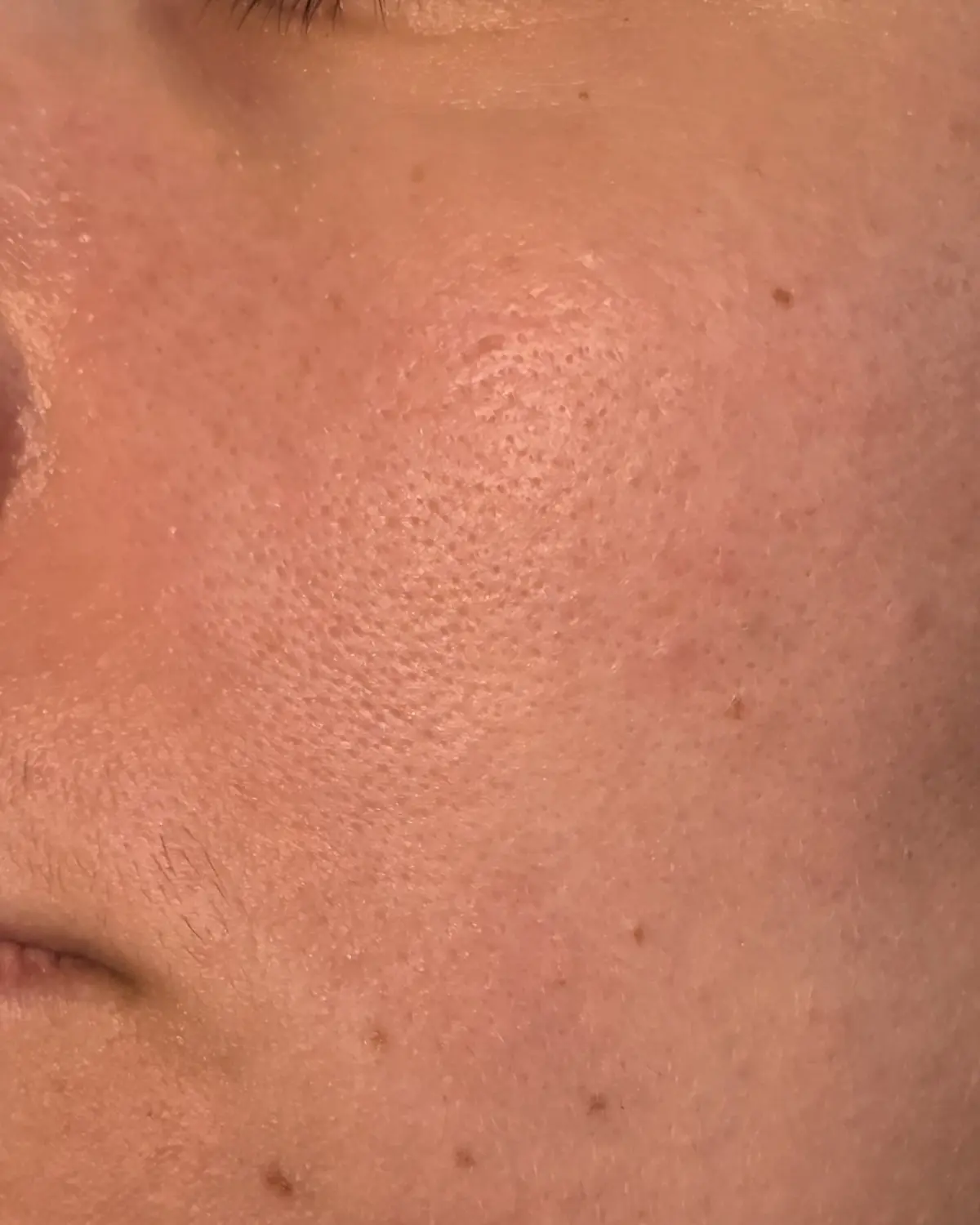
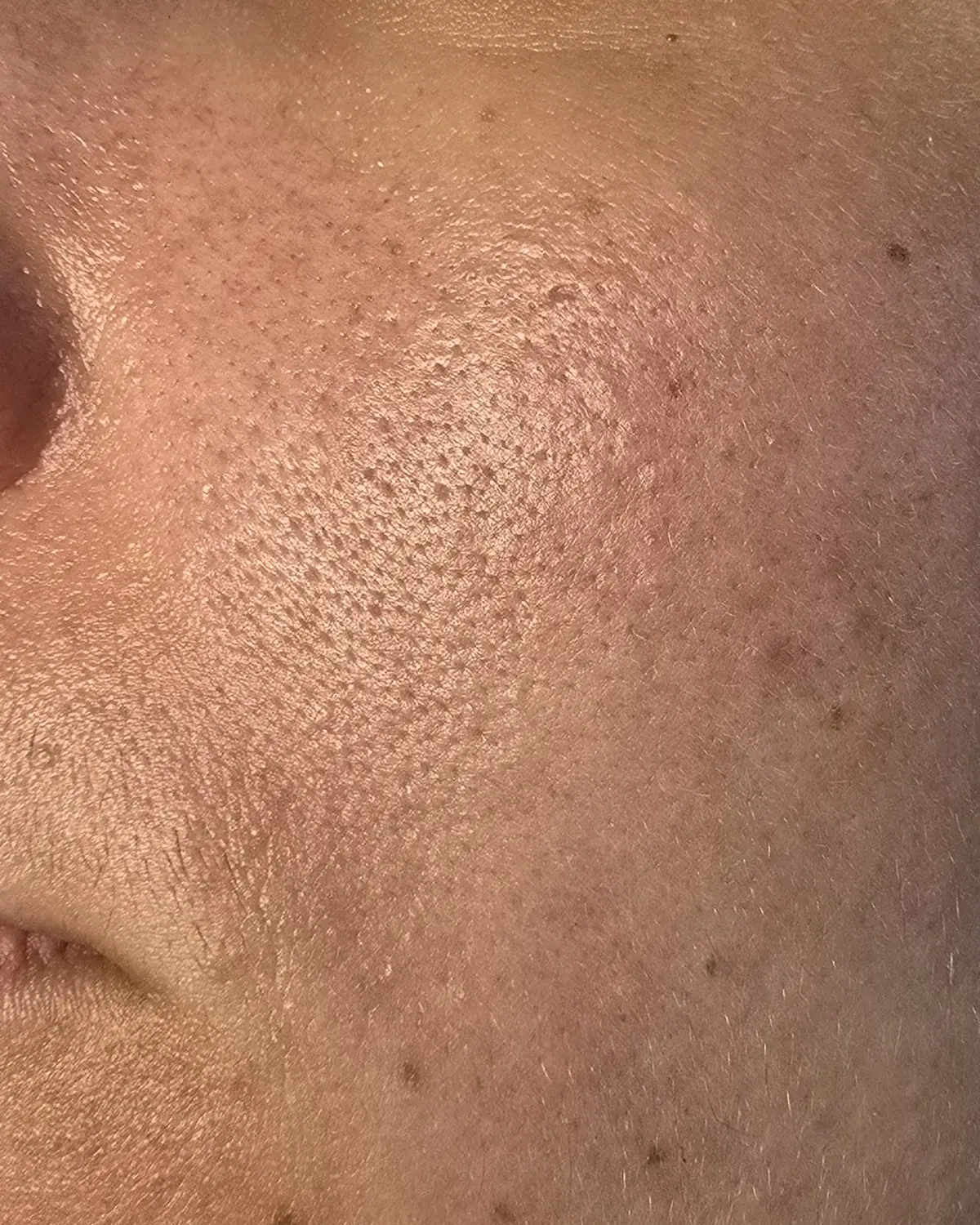
I stopped the test after 4 weeks because my skin was deteriorating far too quickly: my complexion was less even by the third week, and my pores, especially around my nose, were more enlarged.
And there was nothing to redeem Foreo, since its study doesn’t mention any laboratory and the mask was tested in conjunction with a serum… It received a score of 1.5/5, and my review of the FOREO Swiss 202 explains why its 50 LED mask is far too weak for light therapy.
The results score of every mask I have tested is in the grid of my LED mask picker, and the ones that showed on my face are the ones ahead in my ranking of the best LED masks.
How to properly interpret the results of LED masks
Don’t judge after 2 weeks. What you observe at this stage is not yet sufficient; collagen works over a longer cycle of at least four weeks to show initial signs.
Do not compare two photos taken under two different lighting conditions. Different lighting drastically changes the appearance of the skin, so choose a lamp in one location and remain consistent in your before/after photos.
Don’t interpret a percentage without knowing the study. Large numbers can give the illusion of good results, but you first need to know if it’s a measurement or a perception, how many people were involved, and for how long… Also, if the footnote mentions another model or adds a serum, that figure is meaningless.
Don’t expect your wrinkles to disappear. The best results I’ve read about reported a reduction in wrinkles, but they can’t be completely erased.
LED mask results: your questions
How many weeks before an LED mask shows results?
On the one LED mask that changed my skin, the difference showed in my photos at the end of 12 weeks, at 3 sessions a week, and its study reports the first instrumental changes at day 30. Give an LED mask 8 weeks before deciding, and 12 if something starts to move.
What results can I realistically expect?
On my face, with the best LED mask I’ve tested: a more even tone, calmer redness on the nose, tighter pores along it. With instruments, the strongest study I’ve read reports crow’s feet down 8% and elasticity up 23% at 90 days. Modest, slow and real, and nothing a stranger notices across a room.
What do the clinical studies actually measure?
Elasticity with a cutometer, dermal density with an ultrasound probe, wrinkle depth with VISIA photography or profilometry, hydration and redness with a corneometer and a mexameter. A study that names those instruments, the lab and the number of people is worth reading. A satisfaction questionnaire isn’t a measurement.
Can I trust the before and after photos on a brand’s page?
Only when they come with a date, a session count, lighting conditions and a measurement, ideally from a named lab. Most don’t, some pair two different crops of a face, and some belong to another device or to a study that added a serum. Read the footnote before the photo.
Sources
- My photos
- Taken for each test under the protocol above, published at full size in the review linked for each mask
- Brand studies
- GREDECO reports on Nooance’s pages, the SGS summary on CurrentBody’s page, the Omnilux Contour Face study PDF, FOREO’s published summary, ClinicalTrials.gov NCT07025837 for iRestore, as read for each review
- Research
- Wunsch and Matuschka, Photomedicine and Laser Surgery, 2014, PMC3926176
- Checked
- November 2026

About Emilie
I have tested LED masks since 2023. I buy the devices, use them for weeks, and read the spec sheets nobody reads, because this market runs on numbers most brands never publish. Not a dermatologist, and I say so whenever a question needs one.