
I buy the devices I test unless the article says otherwise. Some links and discount codes on this site are paid links: if you buy through one, I earn a commission. It never changes a score or a verdict.
Dermalux put its first at-home device on sale on September 1, 2026: the Dermalux LED Face Mask, £449 in the UK, from a British company that has sold LED panels to clinics since 2012. The US page says “coming to the US”, but I don’t have more information yet.
So here is what to know before Dermalux’s new at-home LED mask arrives in the USA, with the model’s features, the FDA records under the company’s name, and a comparison with the LED masks I’ve used for weeks.
Dermalux shares the 2 numbers most LED mask brands skip, 36 mW/cm² at 10 mm and 21.6 J/cm² per session, BUT on a rigid shell that holds every LED off the skin. What it doesn’t have yet is a US price, a US date, a study run on this LED mask, or an FDA file in its name.
Wait for it if
- You want an irradiance figure with its measurement distance printed next to it.
- You want red and near-infrared only, with no blue and no colors you’d never use.
- You’ve had Dermalux sessions in a clinic and want the same brand at home.
Skip it if
- You want a full coverage LED mask (at least +200 light outputs).
- You’re buying for acne: there’s no 415 nm blue on this LED mask.
- You want a flexible molded LED mask such as the Nooance Elite X600.
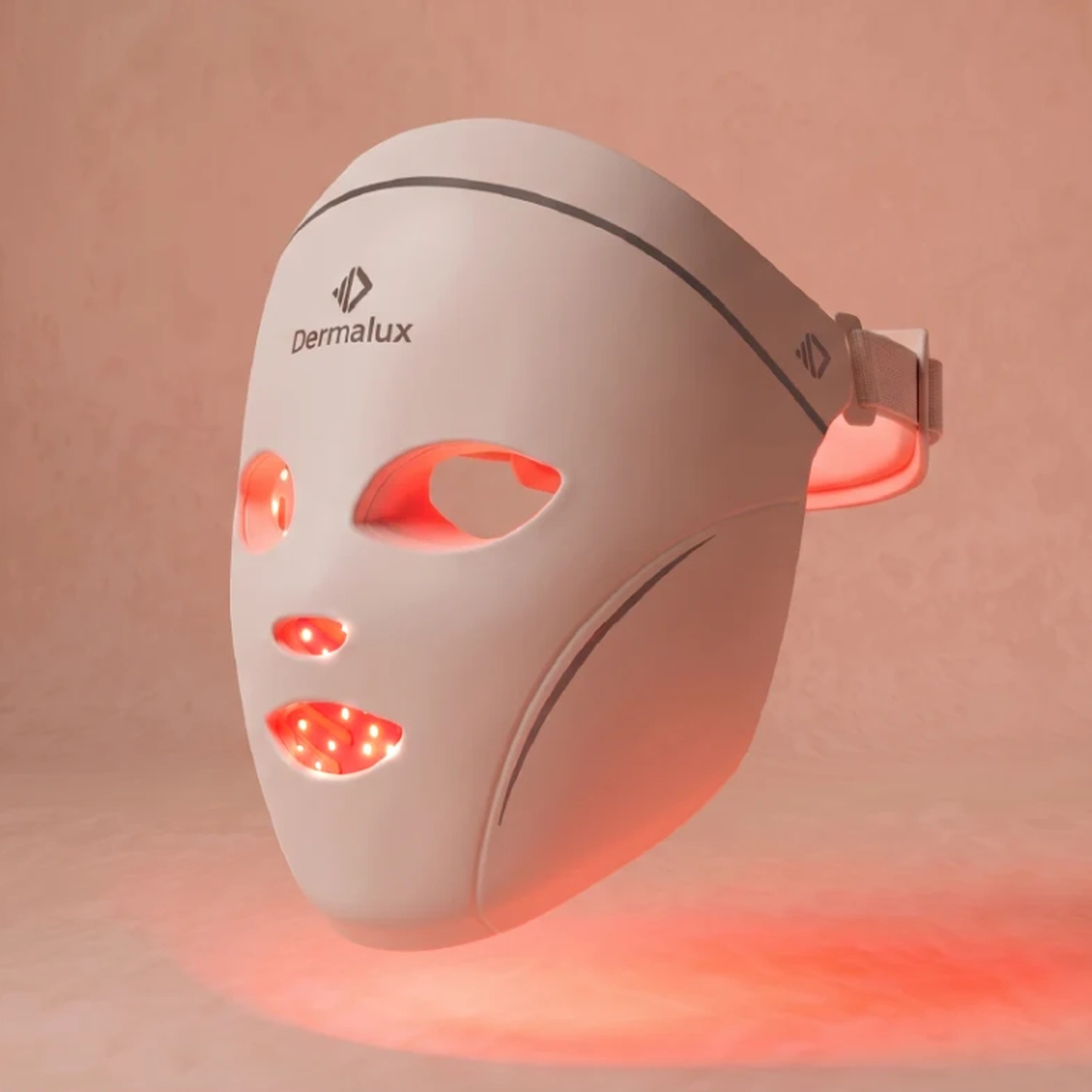
What I know about the Dermalux LED Face Mask
The exact product is the Dermalux LED Face Mask, SKU 1000500 on Dermalux shop, sold at £449 with free shipping to the UK and the EU. The box holds the LED mask, a one-button controller on a 96 cm cable, a USB-C cable, a storage pouch, the user guide and a warranty card.
I haven’t bought it yet, because I can’t: the US shop doesn’t exist yet, and the only US-facing element on the page is a sign-up form. But Dermalux itself isn’t a new name to me as its Flex MD panel, £1,749 on the same site, sits in aesthetic clinics as a Class IIa medical device.
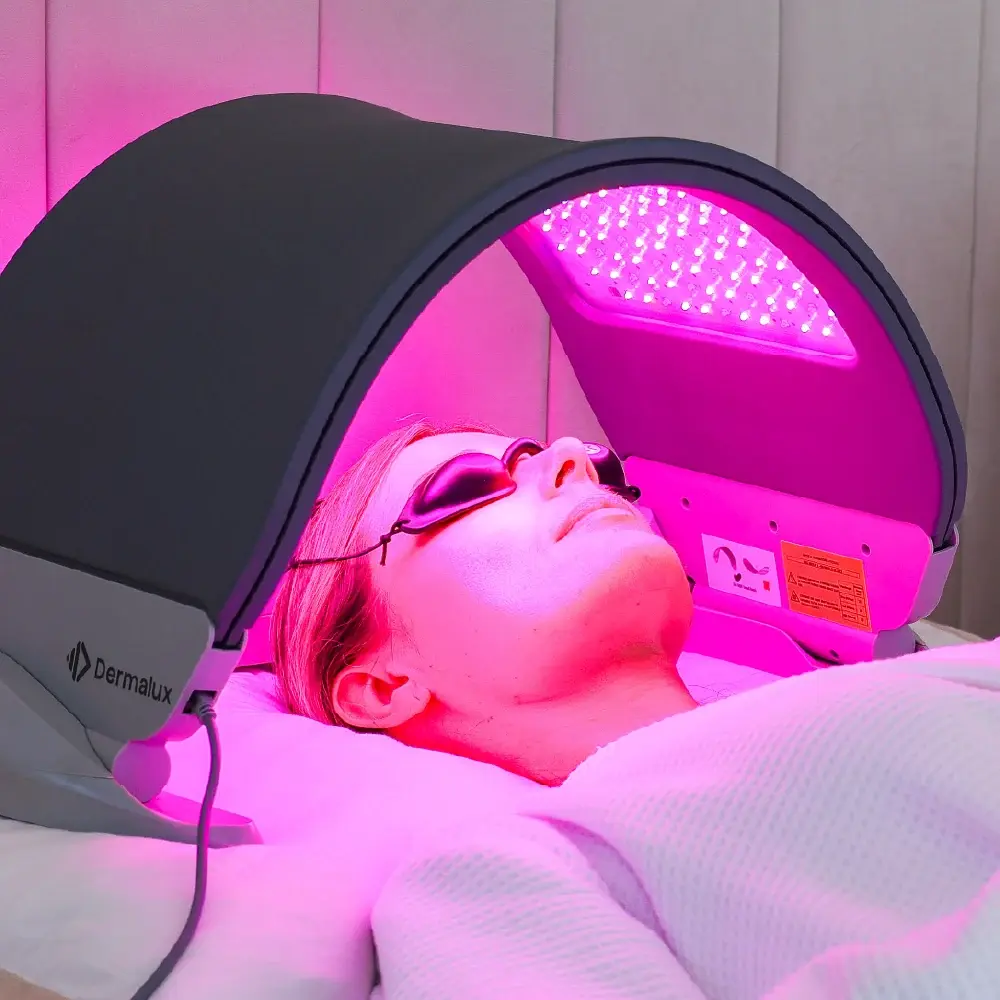
This LED mask is the first thing Dermalux has designed for an at-home treatment rather than for clinics.
Results: not yet tested
Nothing from my side yet, and nothing from Dermalux’s side either, at least not on this device. The product page says “three clinically proven wavelengths”, which is a sentence about 633 nm, 830 nm and 1072 nm in general, and the brand’s clinical studies page lists papers on red and near-infrared that every LED mask brand cites.
That’s not unusual at launch, but a company that has run trials on its clinic devices for a decade has the means to run one on this LED mask, and I’ll be looking for it.
Dermalux LED Face Mask irradiance: 36 mW/cm²
I appreciate that Dermalux shares clearly its irradiance: 36 mW/cm² at 10 mm and 21.6 J/cm² per 10-minute treatment, and the 2 numbers agree with each other: 36 mW/cm² for 600 seconds is exactly 21.6 J/cm². Most LED mask brands do not share that irradiance number, and almost none tell at what distance.
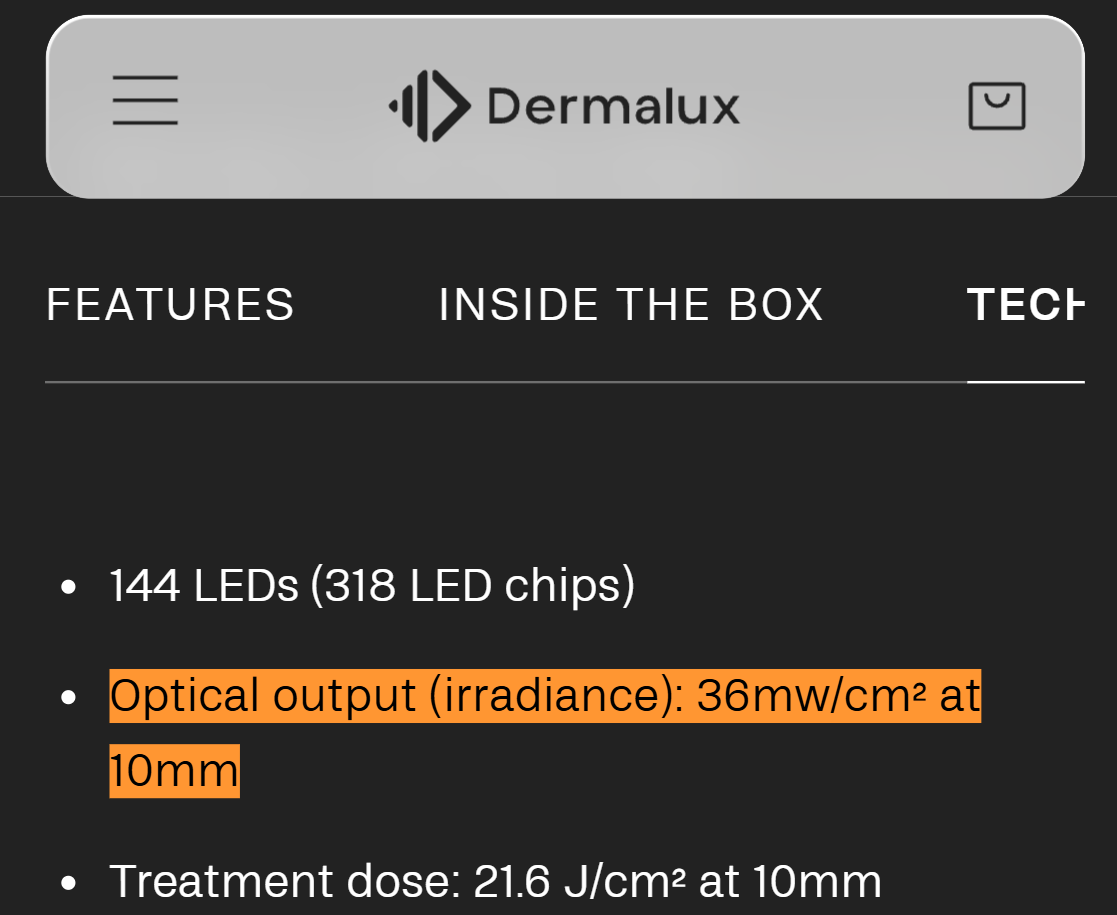
This is why I take Dermalux seriously before testing it: the page gives the number of light points, the number of LED chips and the light output, the 3 figures my own grid is built on. You feel the clinical background of the brand here, where most LED mask brands play with other numbers that tell you a lot less. Nooance does the same on its page, and I’d like more brands to follow them.
- Dermalux LED Face Mask 36
- Nooance Elite X600 50
- CurrentBody Series 2 30
- Omnilux Contour Face 30
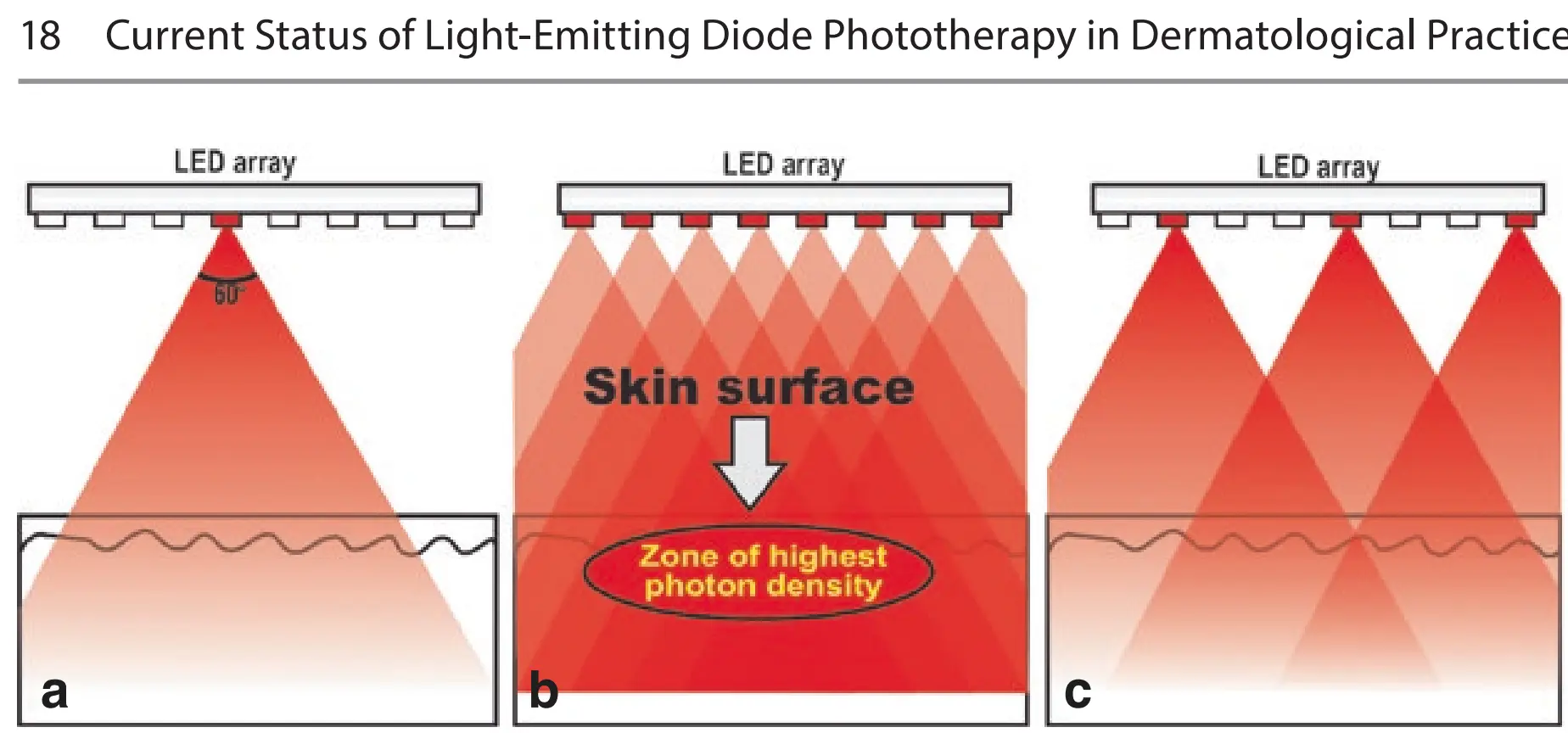
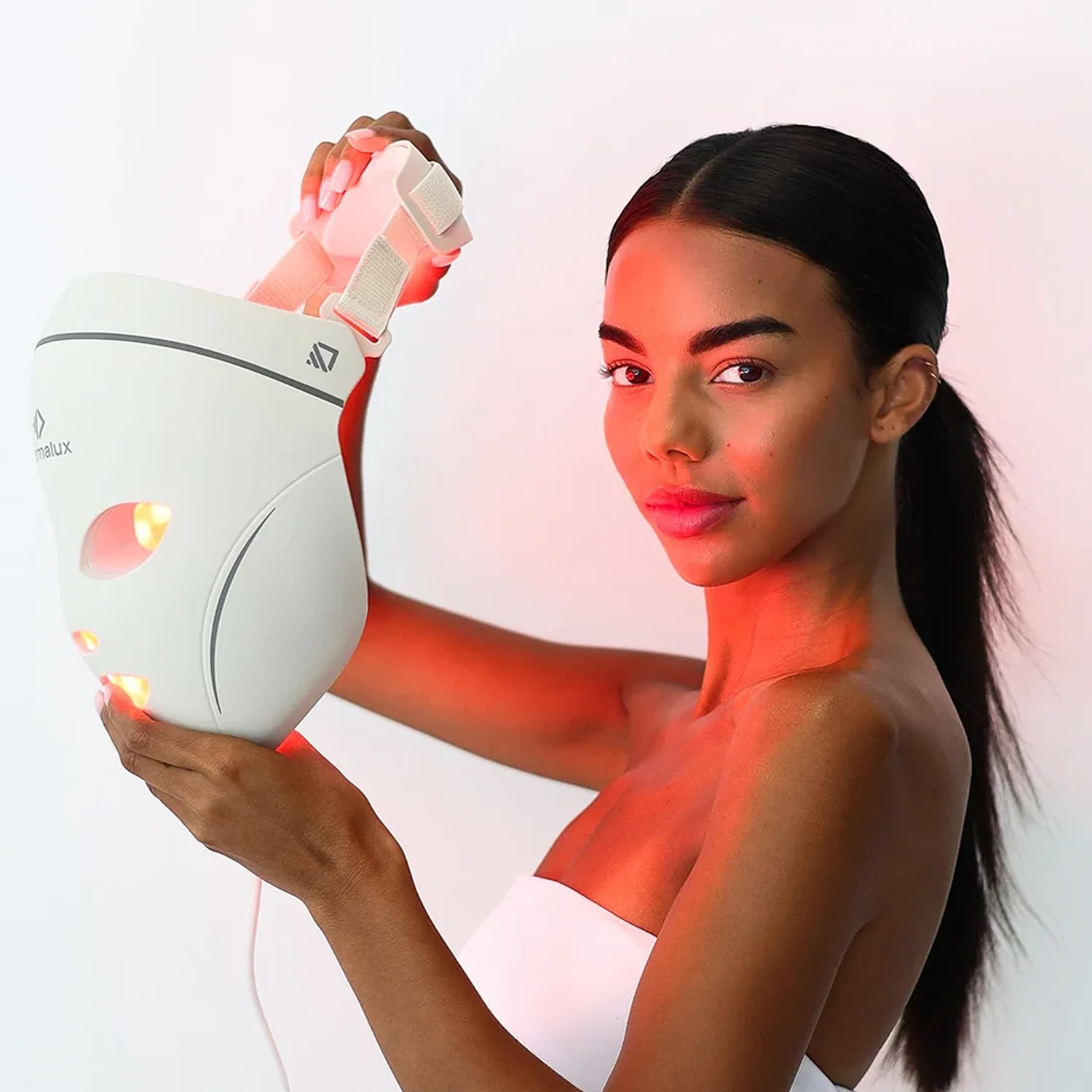
The distance matters because of how this LED mask is built. Dermalux calls it Off-the-Skin Technology: the shell is rigid and holds the LEDs away from the face. However, after testing similar LED masks with rigid shells such as the Shark CryoGlow or the Therabody TheraFace Mask, I can state that for a home LED mask, the best shell is not a rigid one, but a 3D flexible molded one. Every millimeter of air between the LED and the skin costs light, and that is how I read the 36 mW/cm² here against the 50 of a flexible mask sitting on the skin.
The Nooance Elite X600 is the example to follow: 50 mW/cm² of optical output on the skin, with 600 LED chips for 300 light outputs.
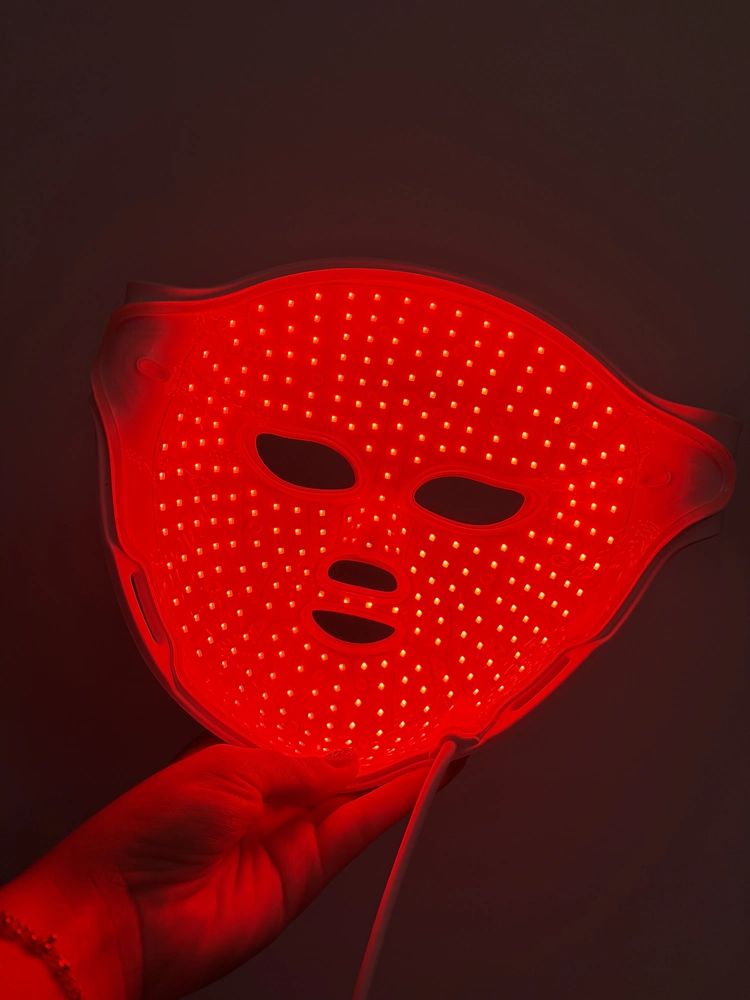
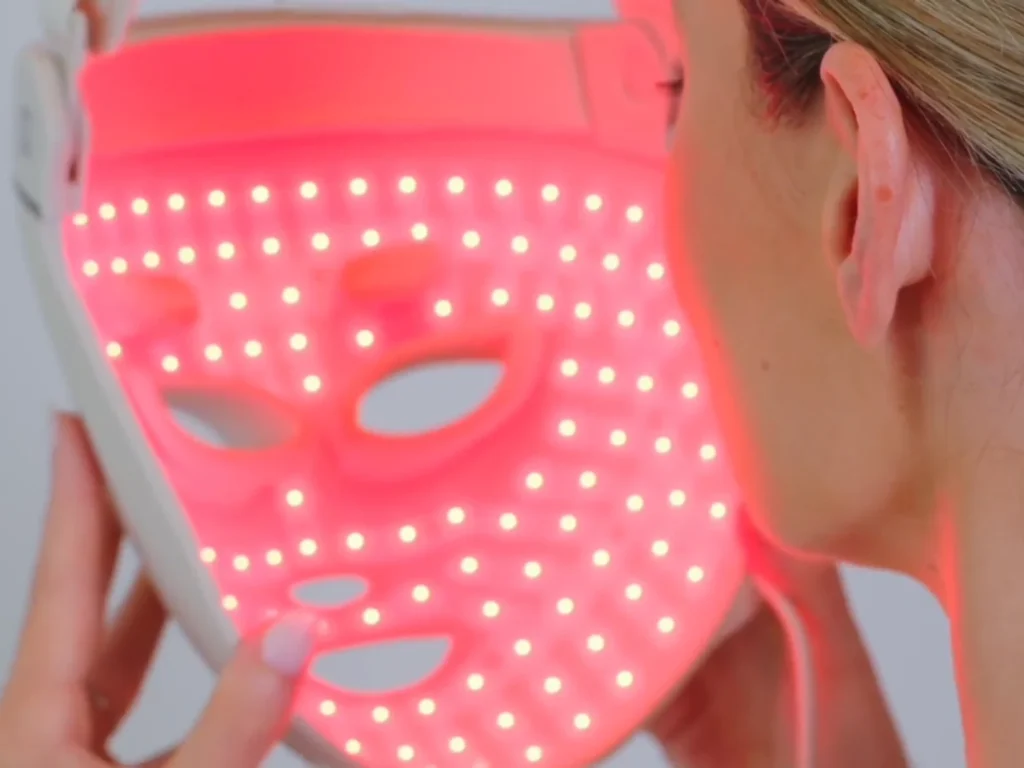
Visually speaking, the difference between both is clear. You can find here my review of the Nooance Elite X600 LED mask.
Dermalux LED Face Mask coverage: 144 LEDs
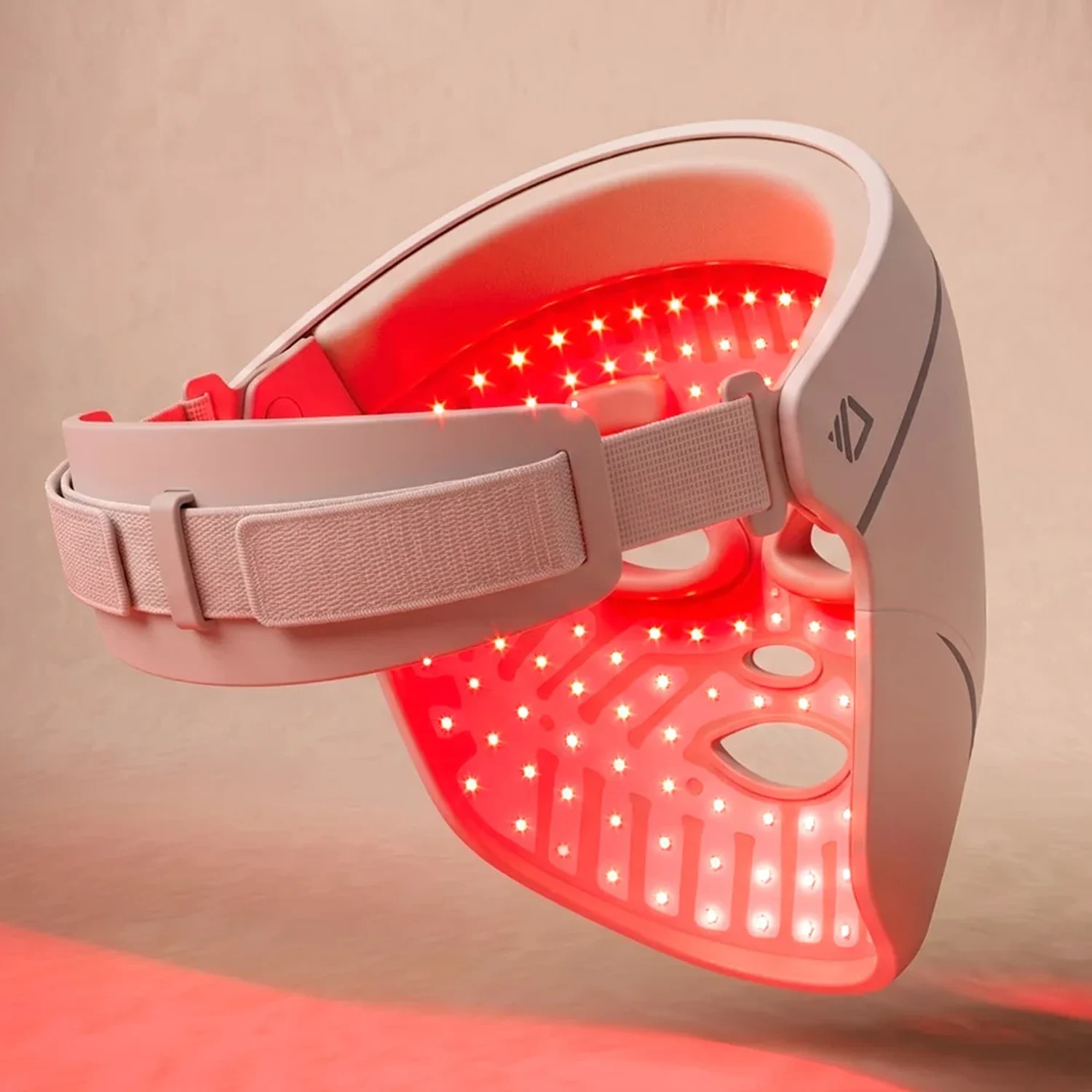
Dermalux counts 144 LEDs and 318 LED chips, which is the right way round for once: 144 is the number of light points on the shell, and the 318 chips are the 3 wavelengths shared out inside them. For scale, the Nooance has 300 light points, the CurrentBody Series 2 about 110, and the Omnilux Contour Face, the other LED mask sold on a clinic heritage, 66.
- Dermalux LED Face Mask 144
- Nooance Elite X600 300
- Shark CryoGlow 160
- CurrentBody Series 2 110
- Omnilux Contour Face 66
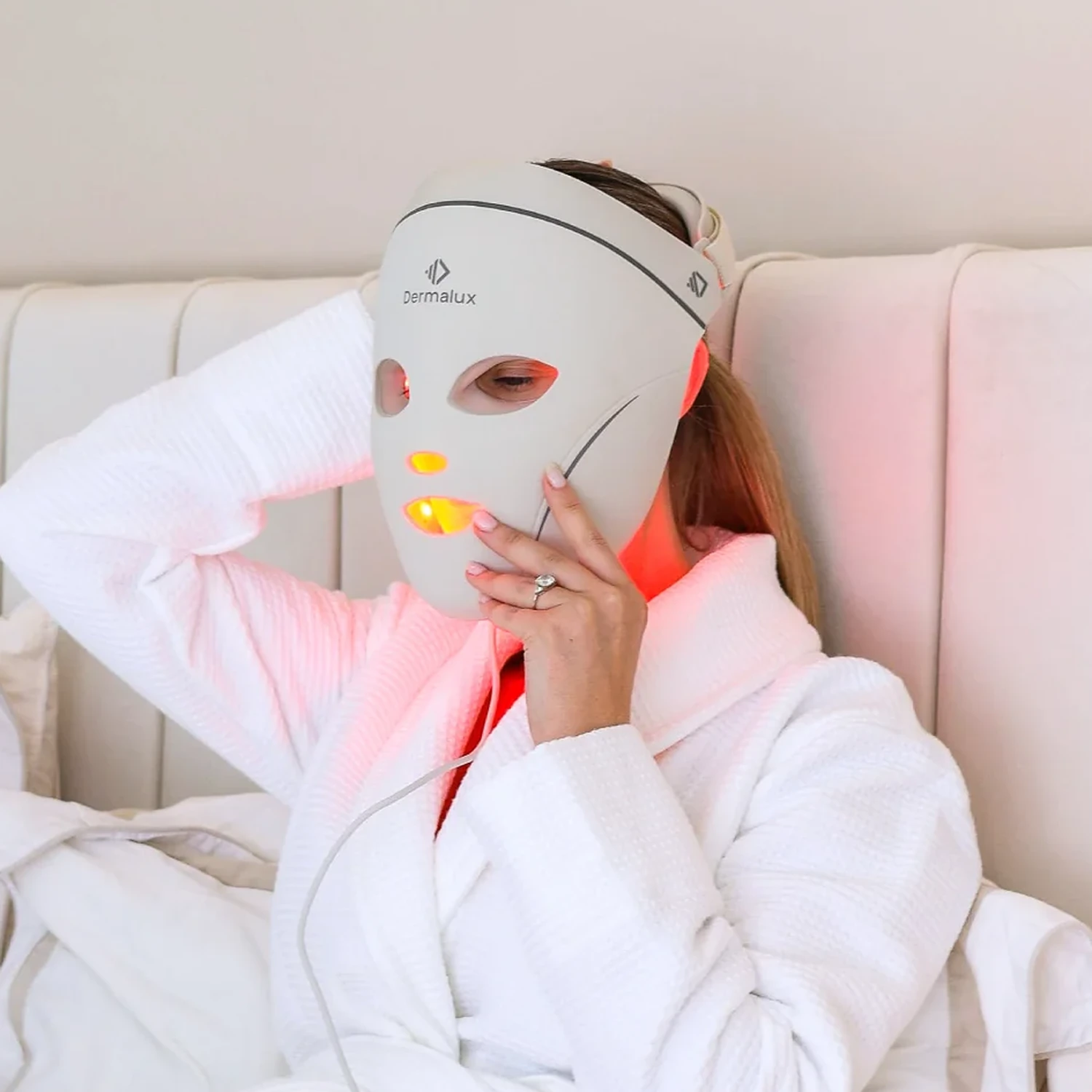
144 points on a rigid shell isn’t very dense, but I do notice that at least the eye contours are covered by LEDs, and that 4 LEDs sit right above the upper lip, where smoker’s lines form, which many models don’t do… In contrast, the Dermalux has a 10-mm gap between the skin and the LED array. The downside is that every millimeter results in a loss of light output, but it does help fill in the gaps.
I prefer an LED mask with more light points that sits closer to the face to combine high light output with extensive coverage.
Dermalux also explains face coverage with a visual, and coverage is one of my own criteria, so I like that a brand shows it. But 144 light points are not enough for me: the Nooance Elite X600 has 300 of them, on the skin.
Proof: what Dermalux publishes
What the brand publishes
- Published: Wavelengths in nm: 633 red, 830 near-infrared, 1072 deep near-infrared
- Published: Dose per session: 21.6 J/cm² at 10 mm, consistent with 36 mW/cm² over 10 minutes
- Missing: FDA clearance: no number on the page, and nothing for an LED mask under Aesthetic Technology in the 510(k) database yet
- Missing: Clinical study run on this exact model: the studies page covers the Tri-Wave MD and the wavelengths in general
- Missing: Study documented: the 93% and 5x figures cite “independent testing” with no lab, no method and no competitor named
- Not disclosed: Photobiological safety: “tested using medical device standards” and “no further eye protection is required”, no standard named
- Published: Warranty and support: 2 years against manufacturing defects after registration, 30-day returns on an unused device
Proof: 3 of 7 published
What Dermalux won’t tell you
The product page never says FDA-cleared, and I’d rather a brand say nothing than say it without a number. So I searched the 510(k) database under the company’s legal name, Aesthetic Technology Ltd, and found 4 files, all for the clinic machines: the Tri-Wave MD in 2020, the Flex MD in 2020 and again in November 2021 under product code OHS, and the Tri-Wave MD MKII with the Compact MD in 2024.
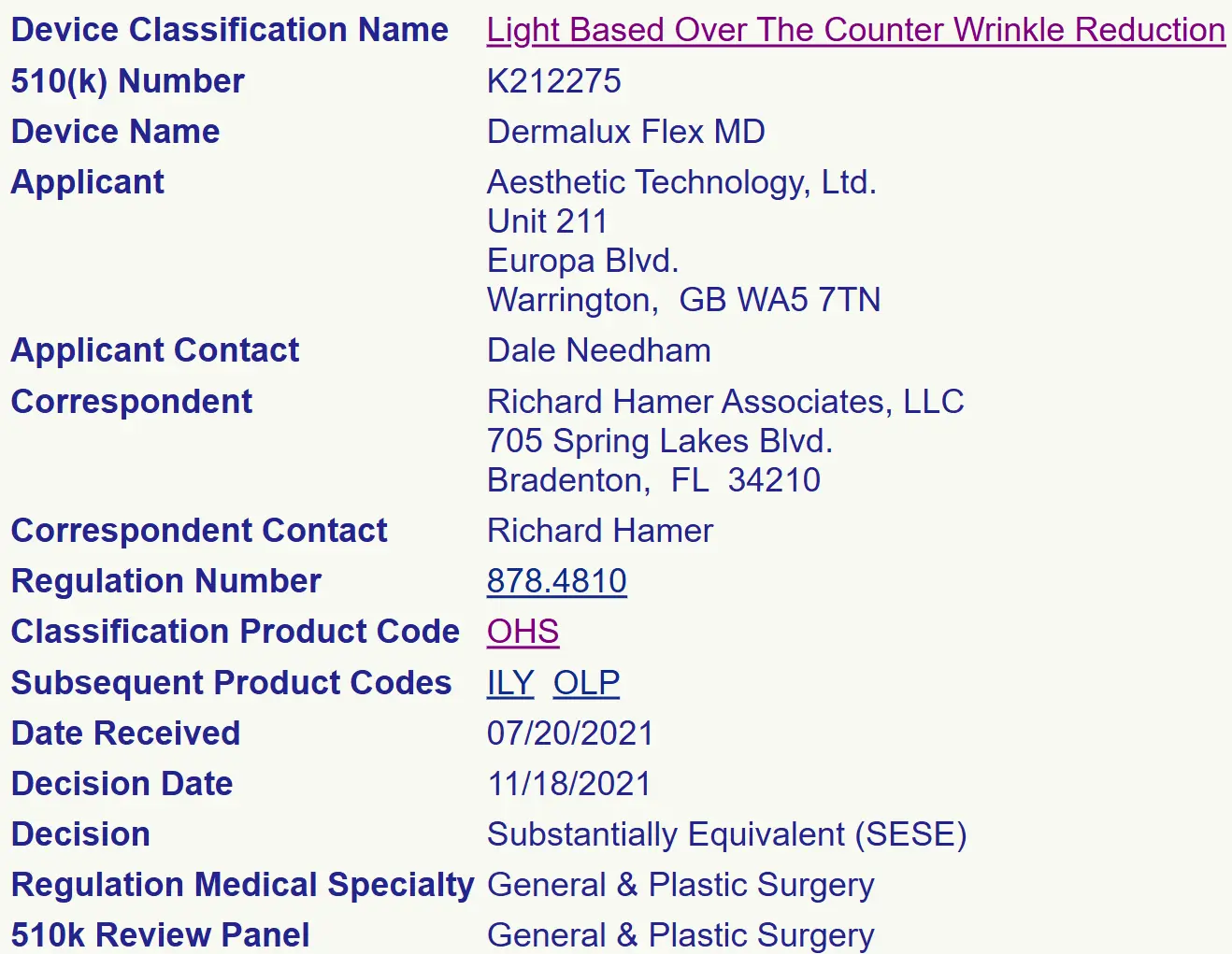
OHS is the code the FDA uses for over-the-counter light devices for wrinkle reduction, the same code the CurrentBody, Nooance and Shark LED masks were cleared under. In other words, Dermalux has already walked the exact path this LED mask needs to be sold in the US, with a bigger device. Dermalux will surely finish this clearance in next months.
Comfort: not yet tested
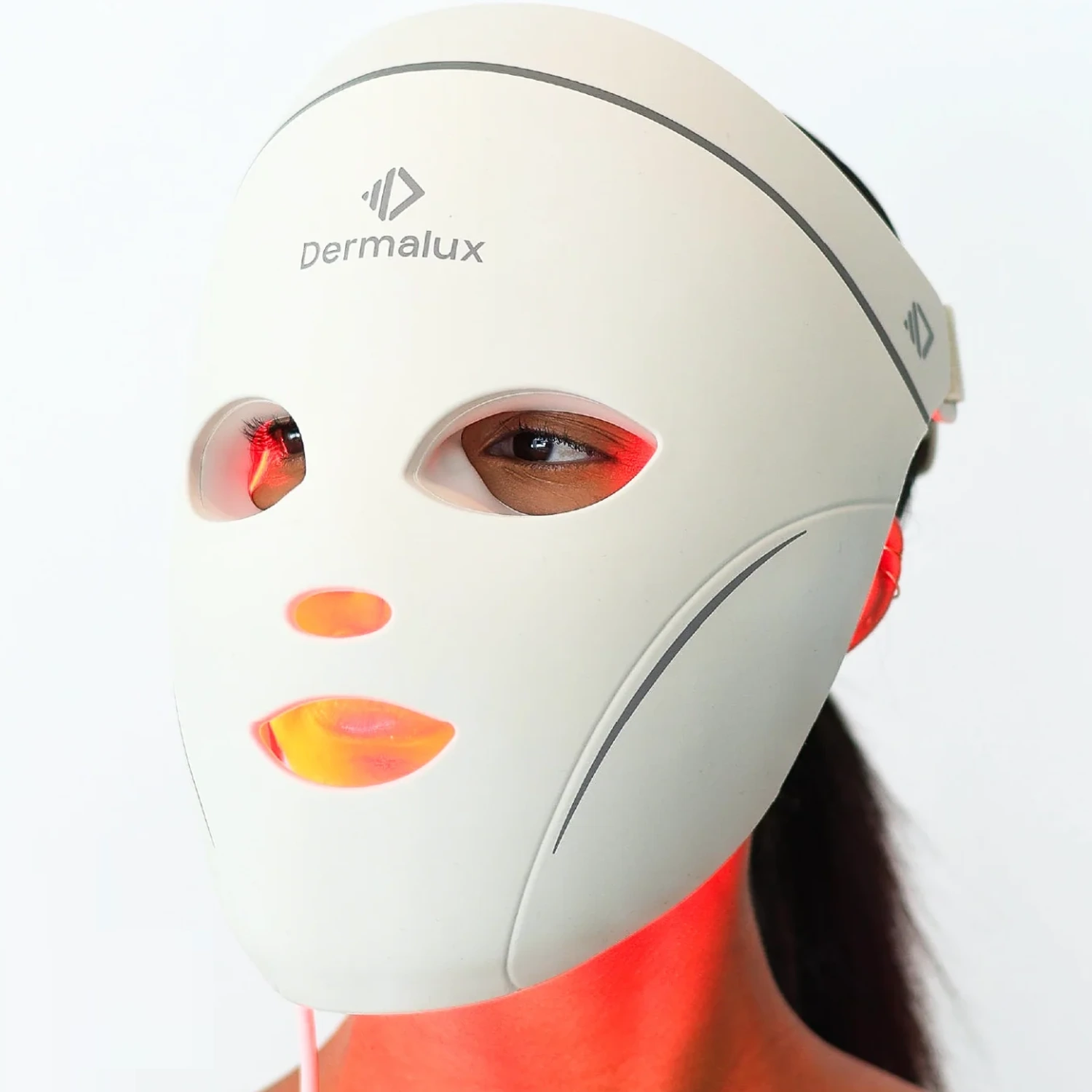
I have not worn it yet on my face, but I can see its dimensions of 19 by 19 by 27 cm, an adjustable head strap with foam, and eye guards moulded into the shell rather than inserts. On the side view, the rigid shell also stands further from the jaw and the chin than from the forehead and the upper cheeks, so those zones get even less than the 36 mW/cm² measured at 10 mm.
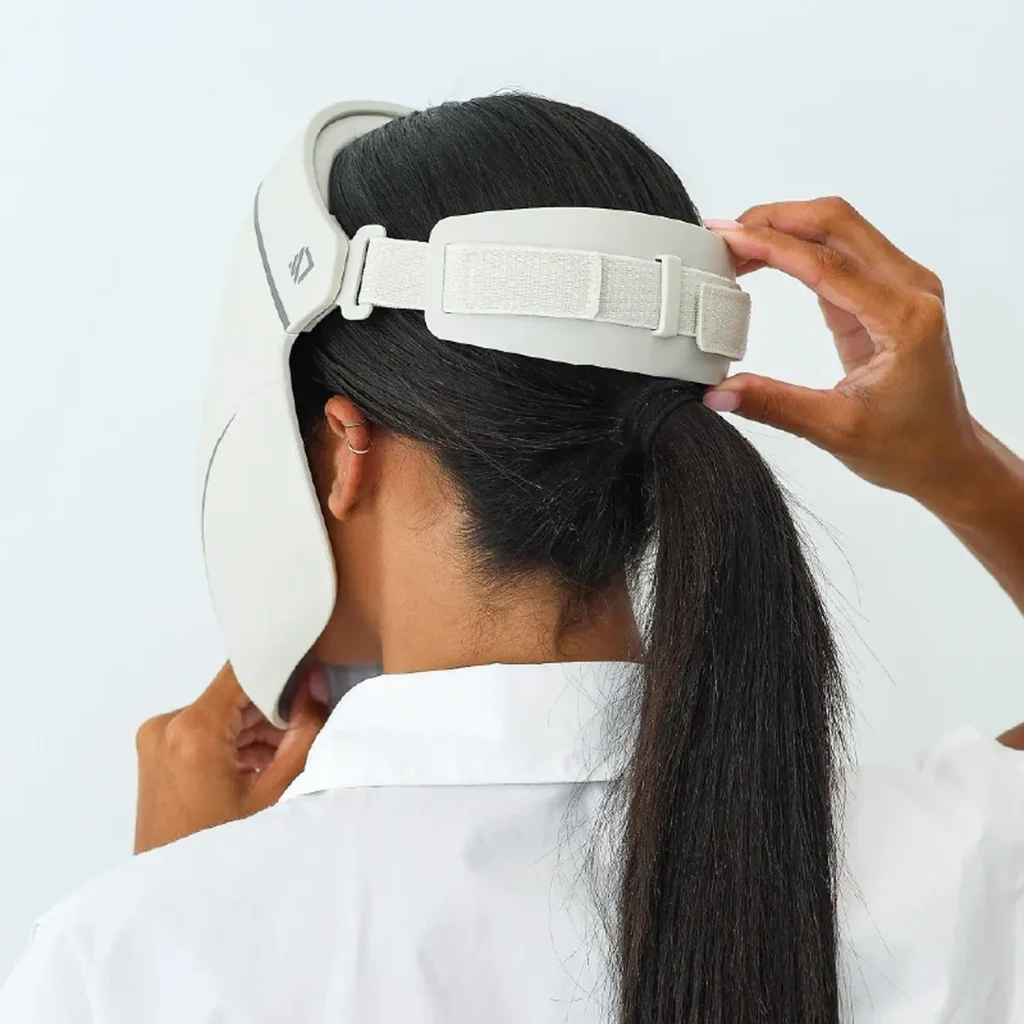
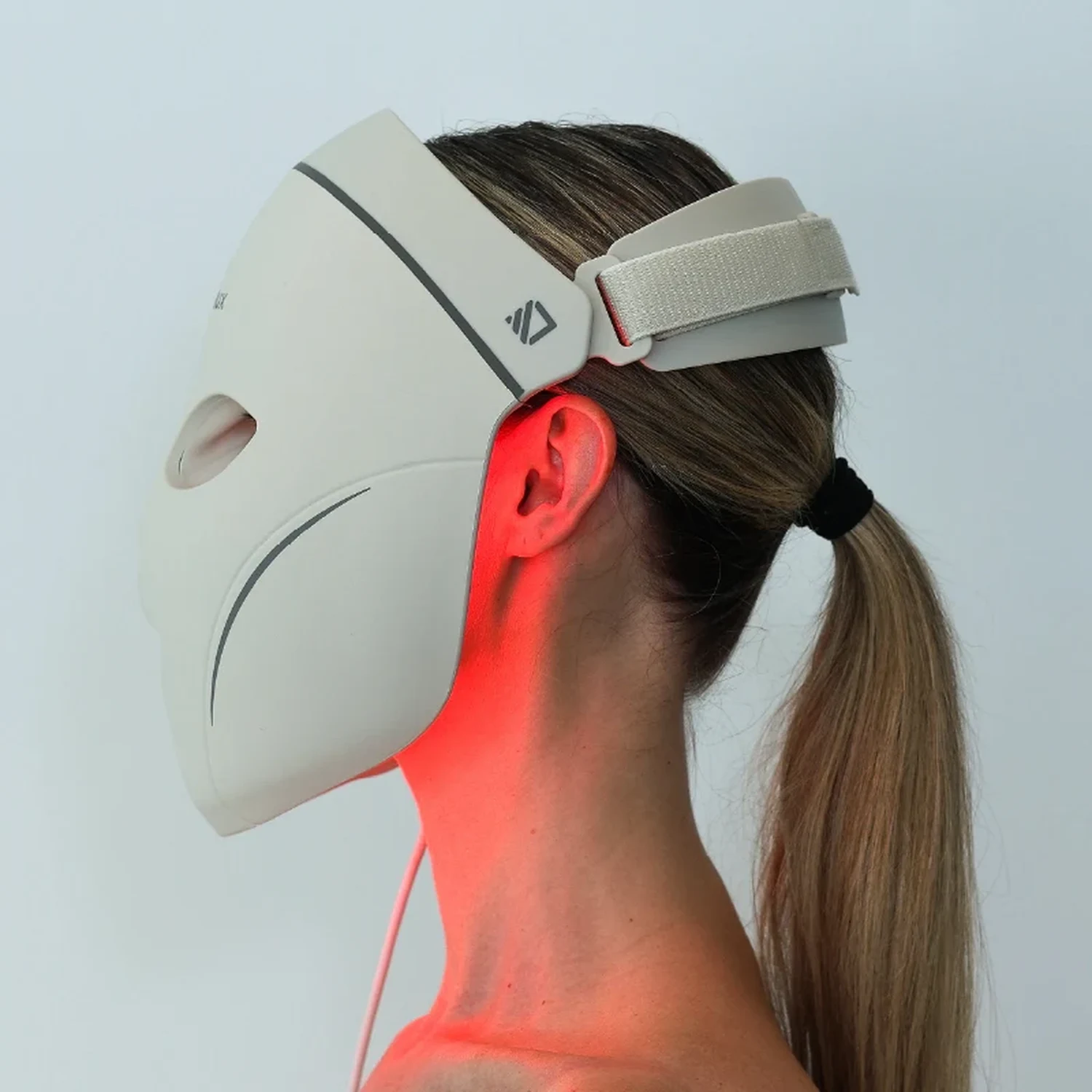
The Dermalux LED mask seems easy to wear, but like for other rigid ones, it may be uncomfortable. On the right, how far the shell stands from the jaw and the chin.
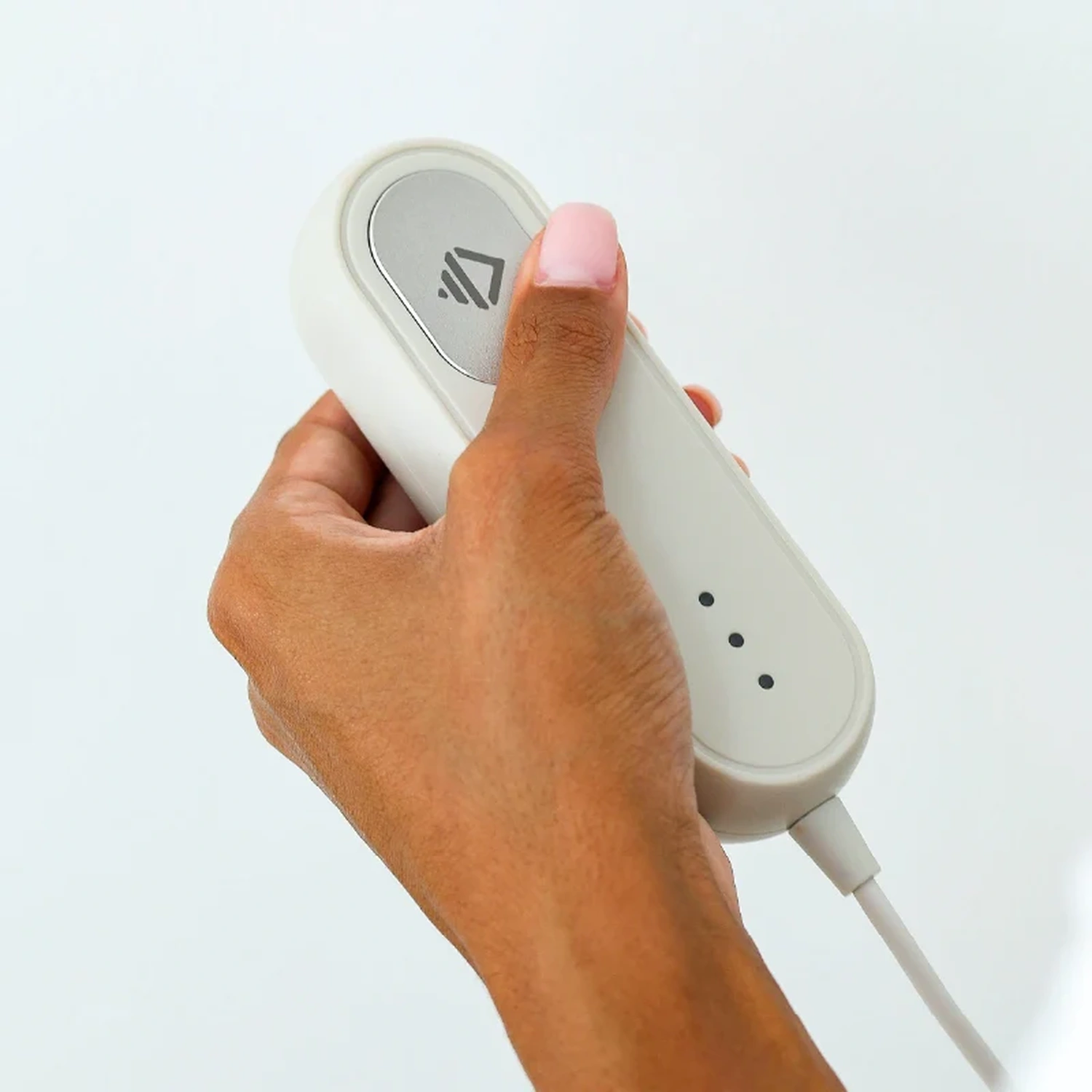
The controller is a single button on a 96 cm cable but the weight isn’t published, and that’s the number I want before I judge a rigid shell because some LED masks may be heavy on the nose… The battery gives 5 to 6 sessions per charge and takes 2 hours 30 to refill over USB-C, so a 5-session week is one charge.
Value: £449, and no US price yet
I’m not going to convert £449 into dollars, because the US price will be set by Dermalux itself. As a benchmark among the LED masks I’ve already scored: the Omnilux Contour Face at $375, the CurrentBody Series 2 at $469.99, the Currentbody Series 3 at $569.99 and the Nooance Elite X600 at $749. Where Dermalux prices this LED mask in that ladder would be likely between the Currentbody and Nooance ones.
Safety & support: what Dermalux publishes
The warranty is 2 years against manufacturing defects, on condition that you register the device, and returns are accepted for 30 days on an unused LED mask. On the eyes, Dermalux writes that the moulded guards were tested using our medical device standards and that no further protection is required. It is similar to the Shark CryoGlow, and I can see on the pictures that the eyes are effectively not under light.
Who shouldn’t buy the Dermalux LED Face Mask
Skip this one if you recognize yourself
- You’re in the US and you want an LED mask this month. There’s no US shop, no date and no price. The Omnilux and the Nooance are on sale today.
- You’re buying for acne. Red, near-infrared and 1072 nm only.
- You want a full coverage of your face Dermalux does not cover all the face with LEDs.
- You already own an LED mask that publishes 50 mW/cm² at the skin. 36 at 10 mm is honest, but it isn’t more.
What I still want to know about the Dermalux LED Face Mask
The US price and date, first, because the whole value question hangs on them.
The FDA file number the LED mask will sell under, since the Flex MD’s K212275 doesn’t cover it.
How the 93% coverage was measured and against which LED masks, and the weight of the shell on the face, and the photobiological standard behind “no further eye protection is required”.
Until then, the closest thing you can buy in the US to a clinic-brand LED mask is the Omnilux Contour Face, but it has 66 light points and a 30 mW/cm² figure with no distance…
If the numbers matter more to you, I’d send you to the Nooance Elite X600 before anything else: 300 light points, and 50 mW/cm², made by a French brand known worldwide.
Dermalux LED Face Mask: your questions
Is the Dermalux LED Face Mask available in the US?
Not yet. The LED mask went on sale in the UK and the EU on September 1, 2026, at £449. The product page says it is coming to the US and offers a sign-up form, with no date and no US price.
Is the Dermalux LED Face Mask FDA cleared?
Not that I can find. The product page doesn’t claim it, and the 510(k) database lists 4 files under Aesthetic Technology Ltd, the company behind Dermalux, all for its clinic devices: the Tri-Wave MD, the Flex MD and the Tri-Wave MD MKII with the Compact MD. One device’s file doesn’t cover another.
What is the irradiance of the Dermalux LED Face Mask?
Dermalux publishes 36 mW/cm² at 10 mm and a dose of 21.6 J/cm² per 10-minute treatment. The 2 figures are consistent with each other. I haven’t measured either.
How many LEDs does the Dermalux LED Face Mask have?
144 LEDs, made of 318 LED chips, across 3 wavelengths: 633 nm red, 830 nm near-infrared and 1072 nm deep near-infrared. There is no blue light.
Test log
- Exact model
- Dermalux LED Face Mask, SKU 1000500 on dermalux.com, UK version
- How I got it
- Not bought: no US shop as of September 14, 2026. Signed up for the launch email.
- Sources checked September 14, 2026
- Dermalux product page and its specifications block, the Flex MD product page, the Dermalux clinical studies page, the openFDA 510(k) database under Aesthetic Technology Ltd, and the FDA record of K212275

About Emilie
I have tested LED masks since 2023. I buy the devices, use them for weeks, and read the spec sheets nobody reads, because this market runs on numbers most brands never publish. Not a dermatologist, and I say so whenever a question needs one.